
Smart Life

Can Smart Homes Help You Sleep Better?
Charlotte Wilson
With the theme of World Sleep Day 2025 "Healthy Sleep, the First Choice", sleep health has once again become the focus of public attention. In the fast-paced modern life, sleep problems are becoming more and more common, and the rapid development of smart home technology has provided a new solution for improving the sleep environment. Through the linkage and personalized settings of intelligent devices, smart homes are creating a healthier and more comfortable sleeping environment for humans.
Smart Home That Changes Your Life Now
Charlotte Wilson
With the rapid development of the Internet of Things (IoT) technology, the concept of smart homes has become increasingly popular. But what exactly is a smart home? How is it changing our lives?
Smart Home Automation Ideas That Actually Work
Greta
With the rapid development of artificial intelligence (AI) technology, more and more families are beginning to introduce smart technology into their daily lives. AI is not only a technological tool, but also a powerful tool to improve the quality of life. From home management to entertainment, AI is changing our lifestyle in all aspects, making family life more intelligent and convenient.

Why Is Everyone Switching to Voice-Controlled Lighting?
Charlotte Wilson
With the rapid development of science and technology, our lives are becoming more convenient and interesting. One of them is the popularity of voice-controlled lights. The birth of this technology makes traditional manually controlled lamps intelligent, and their switches can be easily controlled by voice. During the day, even if the surrounding sounds are noisy, the lamps remain silent; and when night falls, just clap your hands and the lamps will light up and dispel the darkness.
Is Your Smart Home Actually Smart Enough in 2025?
Greta
With the rapid development of science and technology, smart homes are changing our lifestyles at an unprecedented speed. In 2025, the field of smart homes has shown many remarkable trends, and many innovative devices have emerged to create a more convenient, comfortable and safe living environment for us.
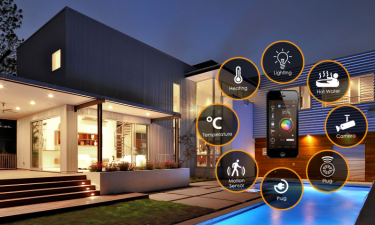
Smart Homes Are the New Normal in Urban Living
Olivia Brown
With the rapid development of science and technology, smart home is gradually becoming a part of modern life, leading the new normal of future life. Smart home connects various devices in the home through the Internet of Things technology, realizes intelligent management and control, and greatly improves the convenience and comfort of life.
What’s New in Smart Home Tech This Year?
Liam Smith
With the deep integration of the Internet of Things, artificial intelligence and the home furnishing industry, smart home decoration in 2025 is ushering in an unprecedented change. From the popularization of whole-house intelligence to the deep application of AI technology, from the innovation of scenario-based services to the upgrade of green energy saving, smart home decoration is evolving from single-device intelligence to systematization, humanization and ecology.
The Top 5 Smart Home Devices Americans Are Buying in 2025
Olivia Brown
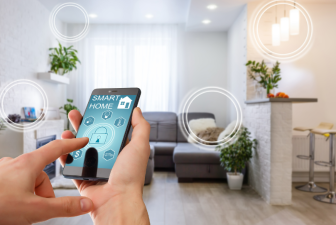
The use of voice assistants and artificial intelligence in smart homes will continue to gain popularity in the United States. The emergence of smart speaker devices such as Amazon Alexa (Amazon Echo) and Google Home has made more and more American consumers want to add these devices to their homes to make it easier to control devices such as lights, music and thermostats. Americans like to DIY to build their own smart homes. Smart speaker devices with gateway capabilities can be used as control entrances and are essential devices for families. Smart speakers will continue to penetrate the US smart home market in 2025.
In addition to artificial intelligence voice, ChatGPT is also empowering smart speaker products. Many homeowners are also taking advantage of the increasing number of artificial intelligence features in smart home platforms. These features include being able to ask artificial intelligence assistants what the weather will be like tomorrow, or having smart assistants automatically adjust the thermostat when they go to work in the morning. As these features become more and more common, they will attract more and more American smart home users.
Are Smart Cameras Making Homes Safer or Creepier?
Greta
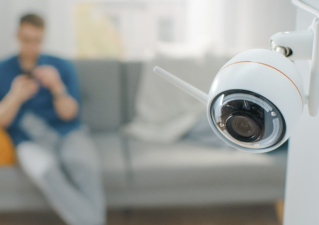
Smart home devices have become increasingly popular in recent years, promising convenience and automation to improve our daily lives. However, as more and more smart home devices are connected and collect and transmit more and more data, people are increasingly concerned about privacy and security risks in their use.
Are Smart Homes the Future of Sustainable Living?
Charlotte Wilson
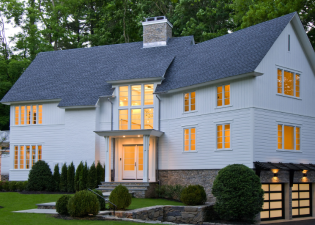
As global concern for environmental issues grows, a key development trend in smart home technology is sustainability and energy-efficient design. By 2025, smart home systems will further improve the optimal management of resources, making homes more environmentally friendly and efficient.
How Safe Are Smart Locks?
Charlotte Wilson
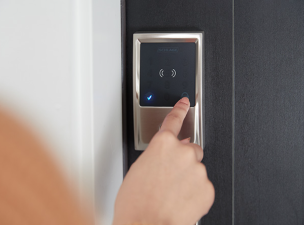
The security performance of smart door locks has always been a hot topic of concern, after all, it is directly related to the safety of the family.